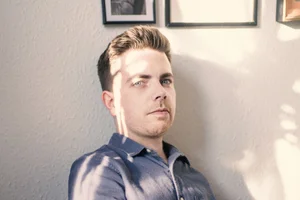
After Ten Years | A Reflection
Where it started
When I started House of Quinn, after a period of uncertainty in my life, it became an art practice rooted in craft techniques, fundamental materials, and making something from nothing. These initial principles, unknown to me at the time, became the foundations of my work and a way of reflecting on the world around me. Ten years on, after beginning this self-initiated journey, so much is wrapped up in how I work and what I do that 2025 felt like the right moment to take a deeper look at what I’ve been building, and what might carry me forward into the year ahead.
As artists and creators, many of us spend long periods working solitarily. Moments to pause, reflect, and take stock can easily pass us by as we wear so many hats just to keep ourselves afloat. I made a promise to myself that 2025 would be a year to take that time, both for me and for my work. In writing this, my aim is to give myself space to reflect and take accountability, but also to share my thoughts, feelings, and experiences openly, in the hope that some of this might feel familiar, interesting, or useful to others.
In the early days, House of Quinn began with very little. I made my first quilts and textile works from whatever I had at hand, at a point in my life when I needed to make a significant change. There was no funding, no safety net, and no clear plan beyond committing to the work and trying to build something over time. I hoped to create a foundation for myself, to support myself, and to have a creative outlet that felt nurturing, personal, and exploratory.
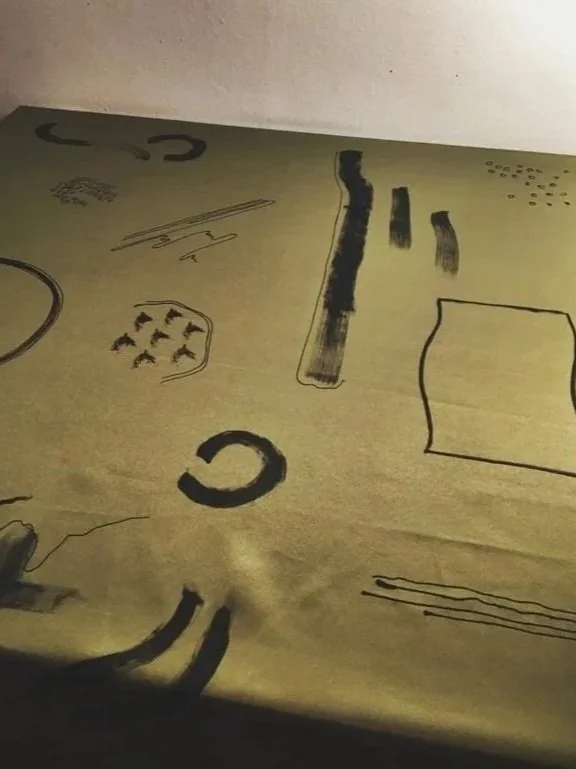
hand painted second hand fabric experiments 2016
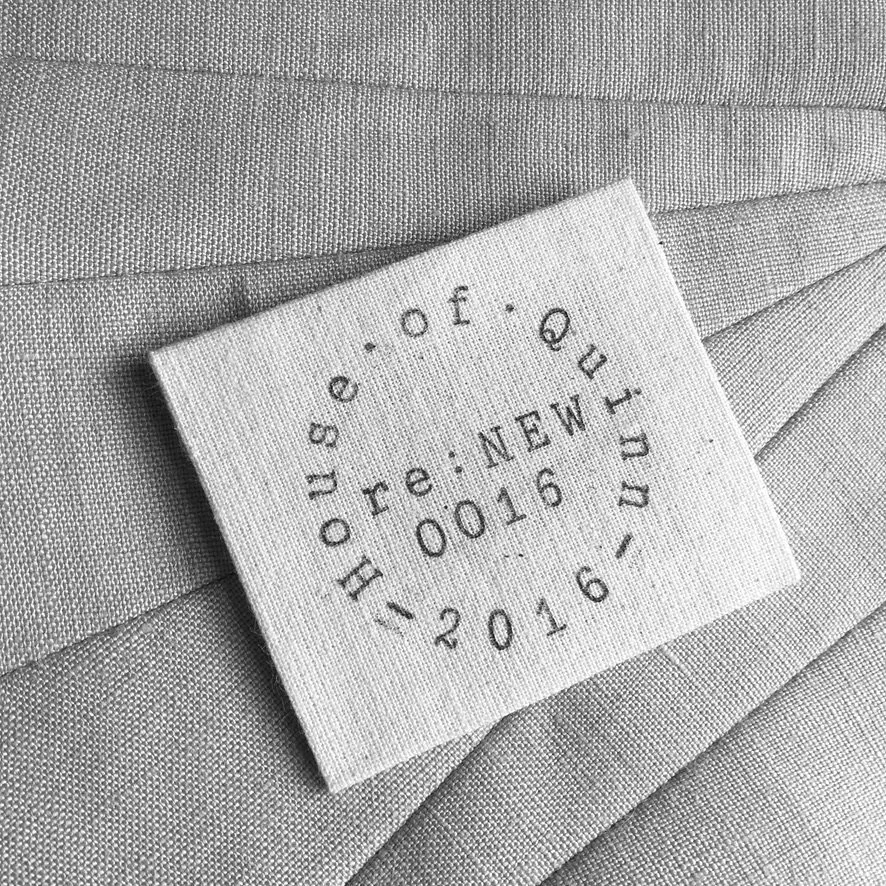
My very first - handmade labels from 2016
Textiles were always a constant source of inspiration for me. Throughout my art education, I was drawn to objects and to how we interact with them. Material connections felt important early on because they acted as symbols of the future, reminders of connection and place, and anchors to a sense of self. Collecting things was grounding. From clothing to the objects we surround ourselves with, I communicated through what I owned, found, cherished, and presented outwardly at different points in my life.
In my creative work, I think I always began with objects and their connections, and then explored the themes that emerged from them: jewellery, clothing, antique objects, ephemera. When I first started House of Quinn, which was initially intended to be a fashion brand, I was less interested in garments themselves and more drawn to the storytelling around how and why we dress, and how things are presented. As the practice evolved into the art and design work it is today, that focus on objects and the everyday remained. Over time, it materialised through quilts and textile works, exploring human connections to place, material, and memory through objects.
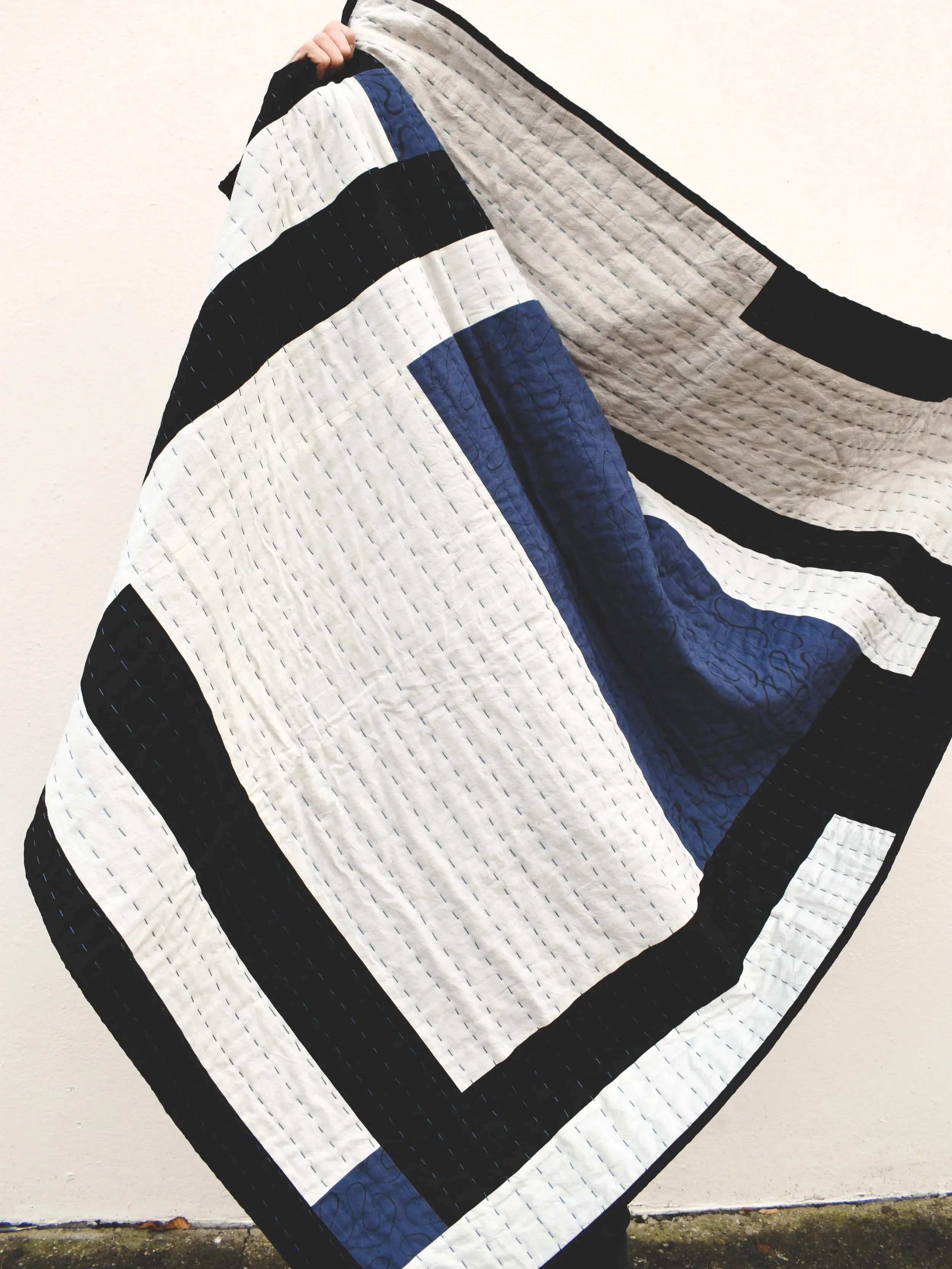
First Quilts I made for House of Quinn
In the very beginning, when I started making work that felt exciting again, I looked for ways to present it publicly, knowing that I also needed to begin earning some money. I took part in craft markets and pop-up art fairs as a way to test the waters. I would drag friends along to help me set up and keep me company. People were often kind and encouraging, but there were also those who arrived armed with opinions, as if they’d chosen the day to release their inner art critic, sharing their thoughts out loud, usually at you rather than with you.
Quite quickly, I realised that while these spaces were valuable, they weren’t always the right fit for what I was trying to make or communicate. It was a learning curve, and I began to understand that I needed to find different spaces and audiences who might better connect with what I wanted to achieve.
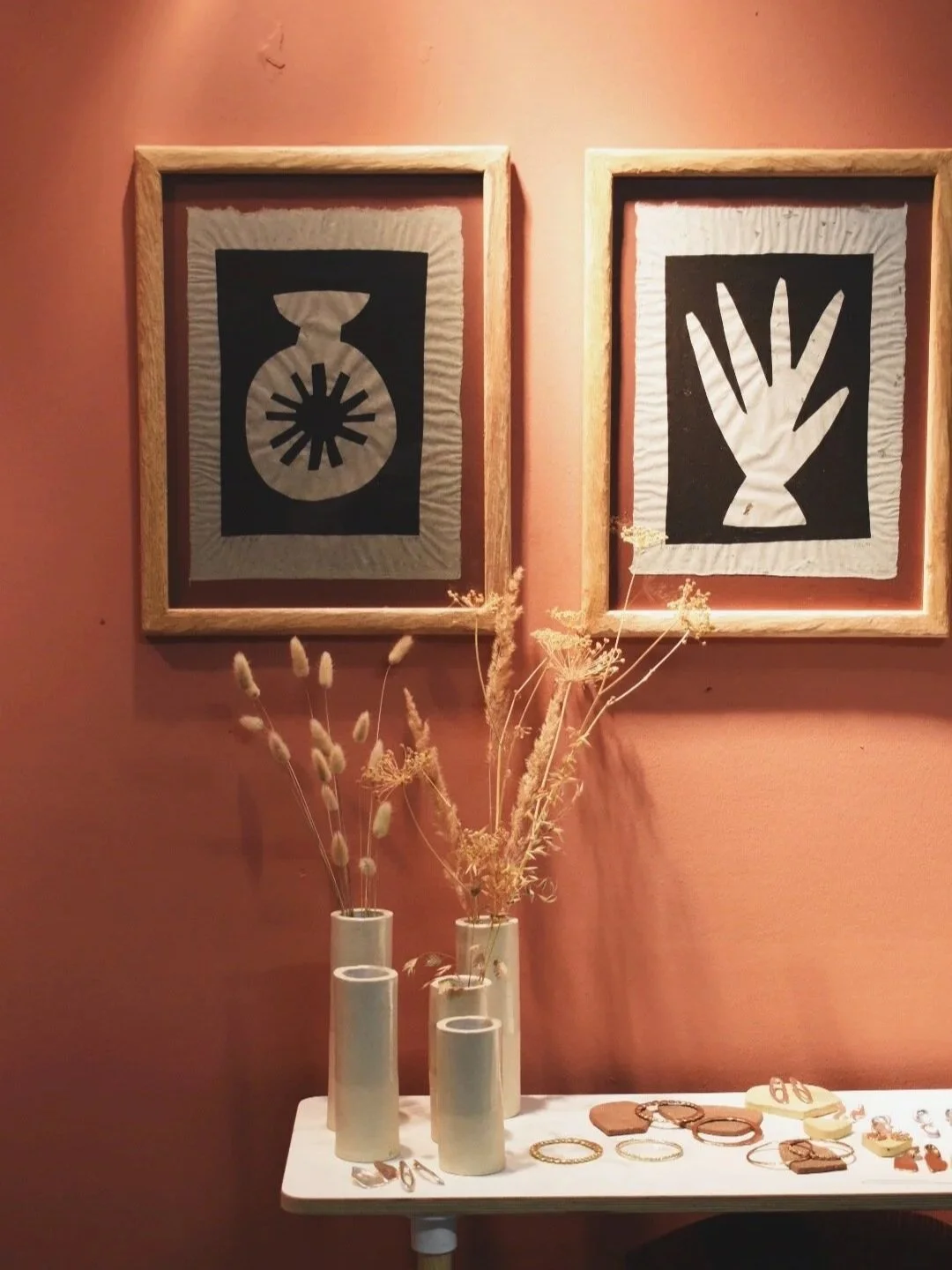
Ensemble - works by Alessandra Williams and Phoebe Simpson
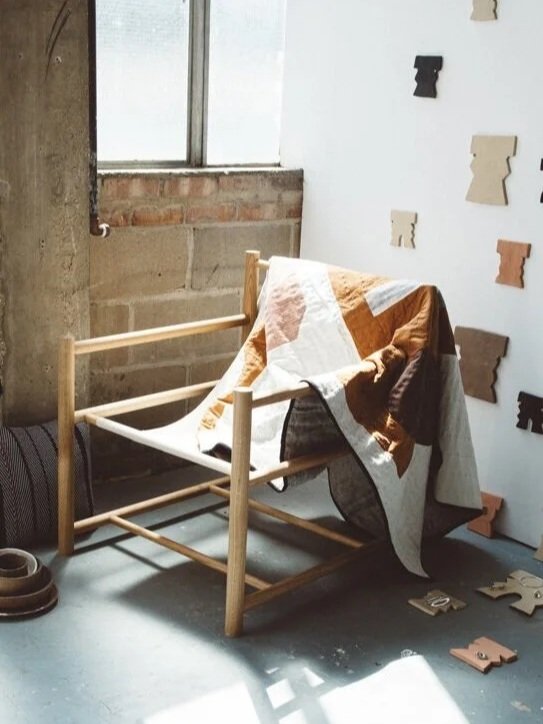
Ensemble Exhibition for London Design Fair - My first trade show
I had a strong sense that I wanted my work to sit within design-led environments, alongside practices where process and material were central. I didn’t have easy access to those spaces, but I knew they mattered to the direction I wanted the work to take. That understanding led me to crowdfund my first trade show. Asking for support felt exposing, but it was rooted in a clear intention. I wanted the work to be seen in the right context, and I was willing to ask for help to make that possible. I was invited into these spaces by friends and peers who were building their own practices alongside me, and that sense of shared effort mattered. I didn’t have the means to participate without support, and the generosity of people who backed that first step shaped the practice in ways I still carry. Without that early belief, much of what followed wouldn’t have been possible.
Working in this way meant operating with very limited resources. I made with what I had, reused materials, and learned to adapt constantly. Over time, I realised that these constraints weren’t separate from the practice; they were integral to it. They influenced how I worked, how I thought, and how I valued materials, labour, and placement.
Starting with very little taught me that constraint is not something to overcome, but something to work with. It shaped my approach from the beginning, and it continues to inform how I make decisions now.
Building a home
Ten years on, those early focuses and decisions have supported a practice I’m proud of. Rooted in self-initiated beginnings and conservative funding, I built something that felt unmistakably mine. I created opportunity for myself where there was very little to begin with, driven by a desire to build something that could support me, both creatively and practically. That has always been, and still is, a very important goal.
Over time, my art practice, business, brand — however you want to describe it — became a kind of home. A place built to protect, to hold, and to make sense of experience. The objects within it became ways of understanding myself and reflecting on my life. When those ideas are shared and resonate with others, that’s when a house becomes a home: when it opens itself to those who may also be looking for a place to connect, or a way back to themselves.
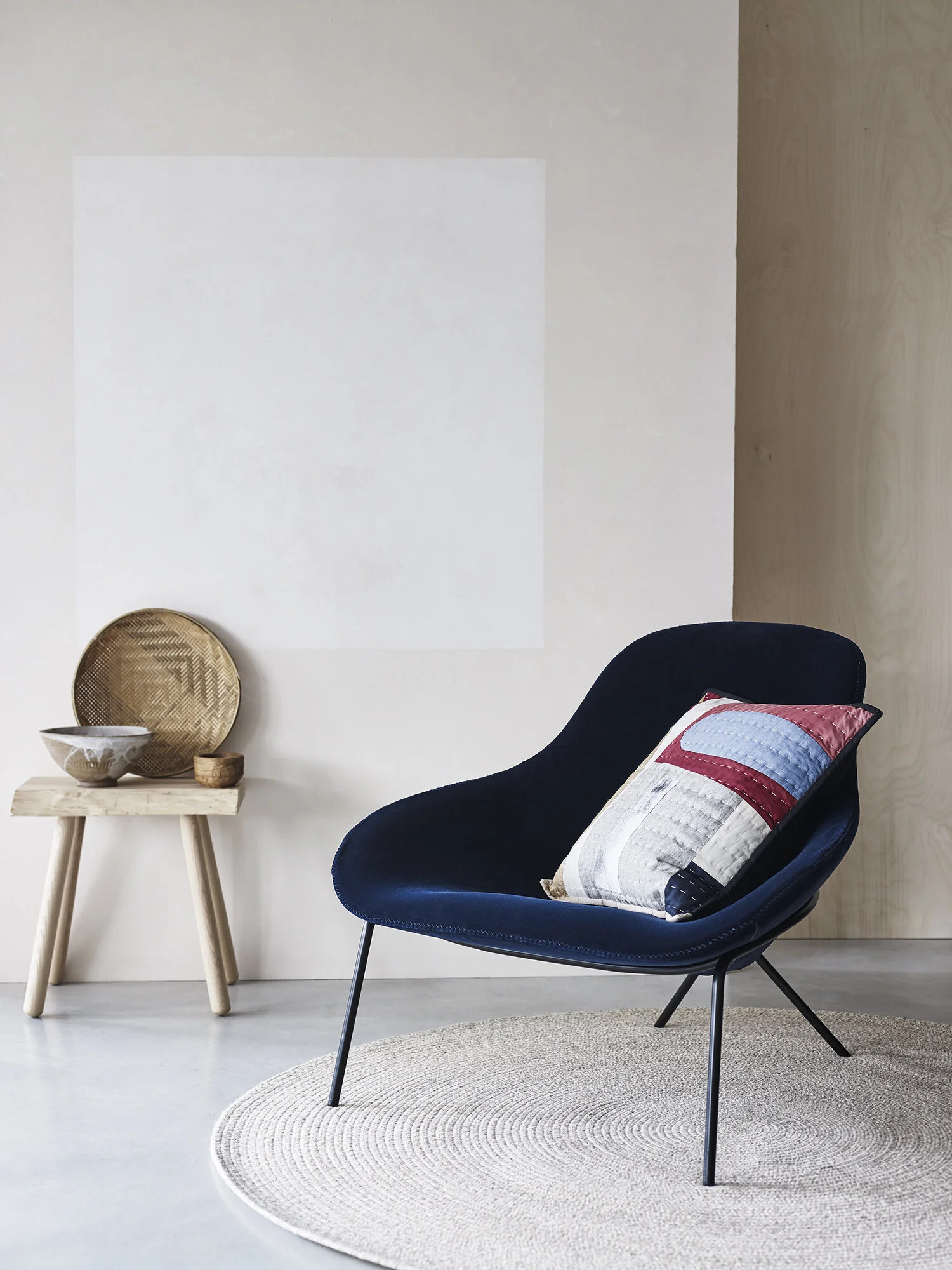
Featured in editorial by Sussie Clegg
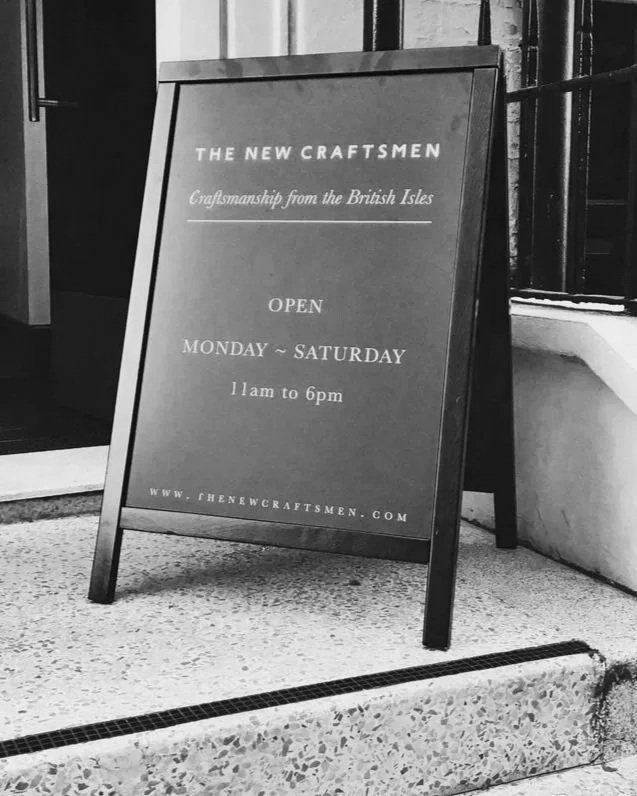
Showed my first small collection of works with the New Craftsmen gallery back in 2018
House of Quinn, named after my middle name, evolved gradually over the last ten years. With each opportunity, new directions opened up. Paths appeared that I hadn’t planned for, but approached with curiosity and gratitude. I’ve often been in awe of where the work has taken me, and continually grateful for the people who believed in the practice and gave it space to grow.
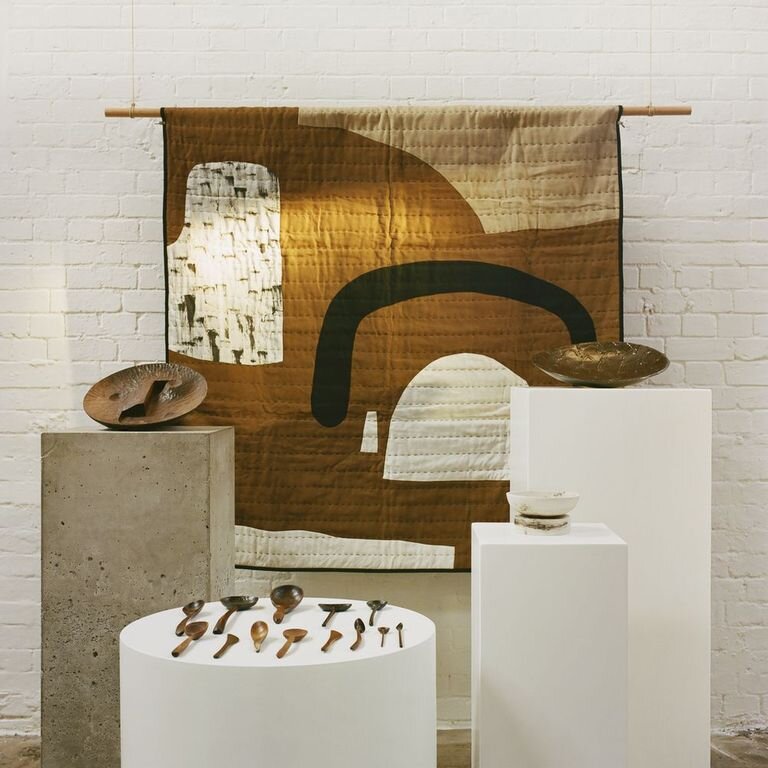
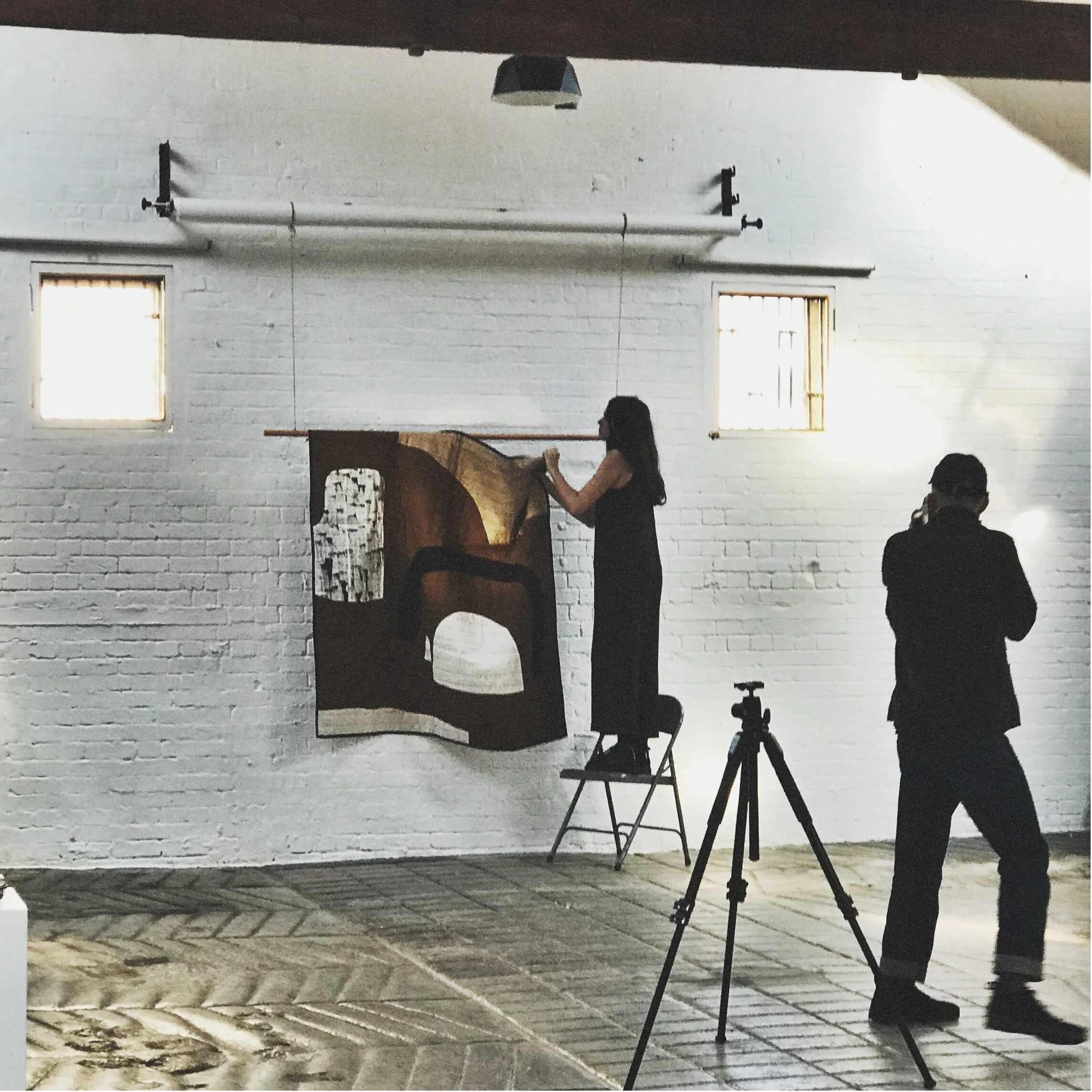
That journey has brought me a deep sense of pride and personal achievement, something I hold with a lot of gratitude. Alongside that, there’s also the reality of what it took to build. The time, the dedication, the constant effort. At times, that intensity has taken its toll — emotionally and physically — and there are moments where I feel I missed parts of life along the way. Time with friends, family moments, periods of rest. Those absences sit alongside the achievements, and both are part of the story.
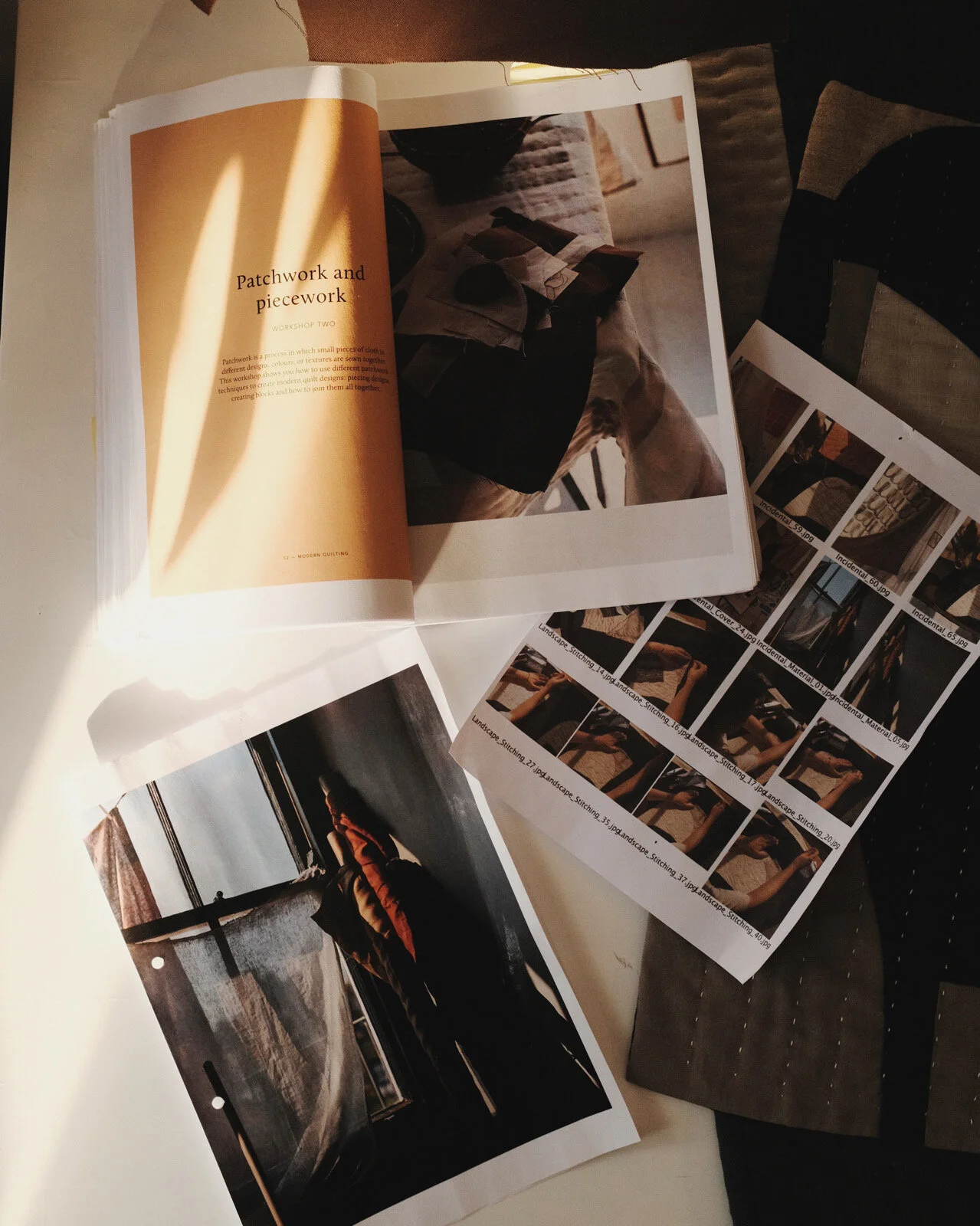
Modern Quilting book mock ups

Cornwall - Where I grew up and lived before moving to Sussex.
Reaching a limit
When 2025 began, I was in a place that felt tired, uncertain, and unstable. I wasn’t sure how to move forward with my work, or even whether I should. A number of things had been building over time, causing me to question what I was doing and whether the way I was working was still sustainable.
There wasn’t a single moment when everything tipped. Instead, it was a gradual realisation that keeping House of Quinn going required more than I was able to give in the same way. On more than one occasion, I thought seriously about closing House of Quinn altogether.
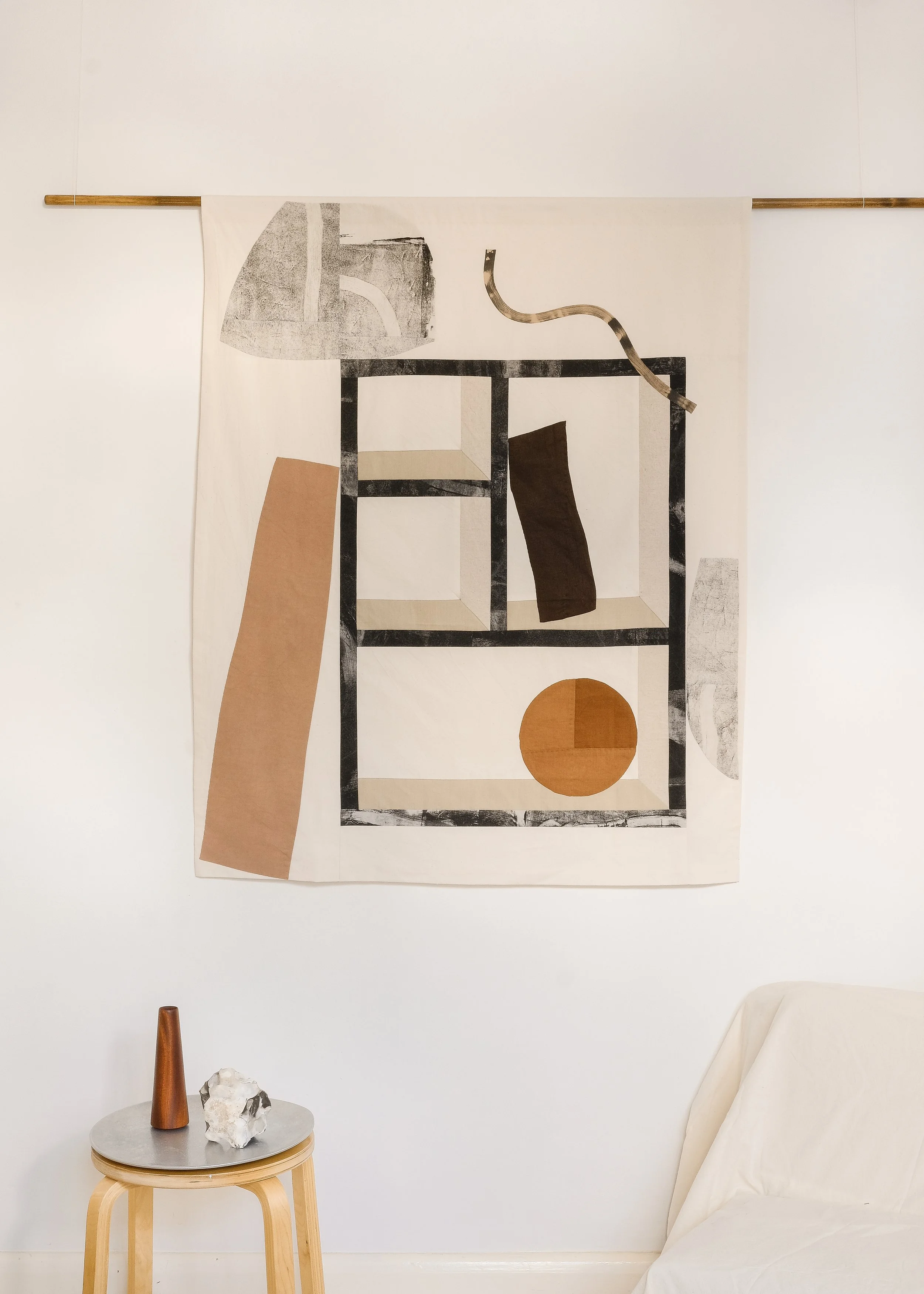
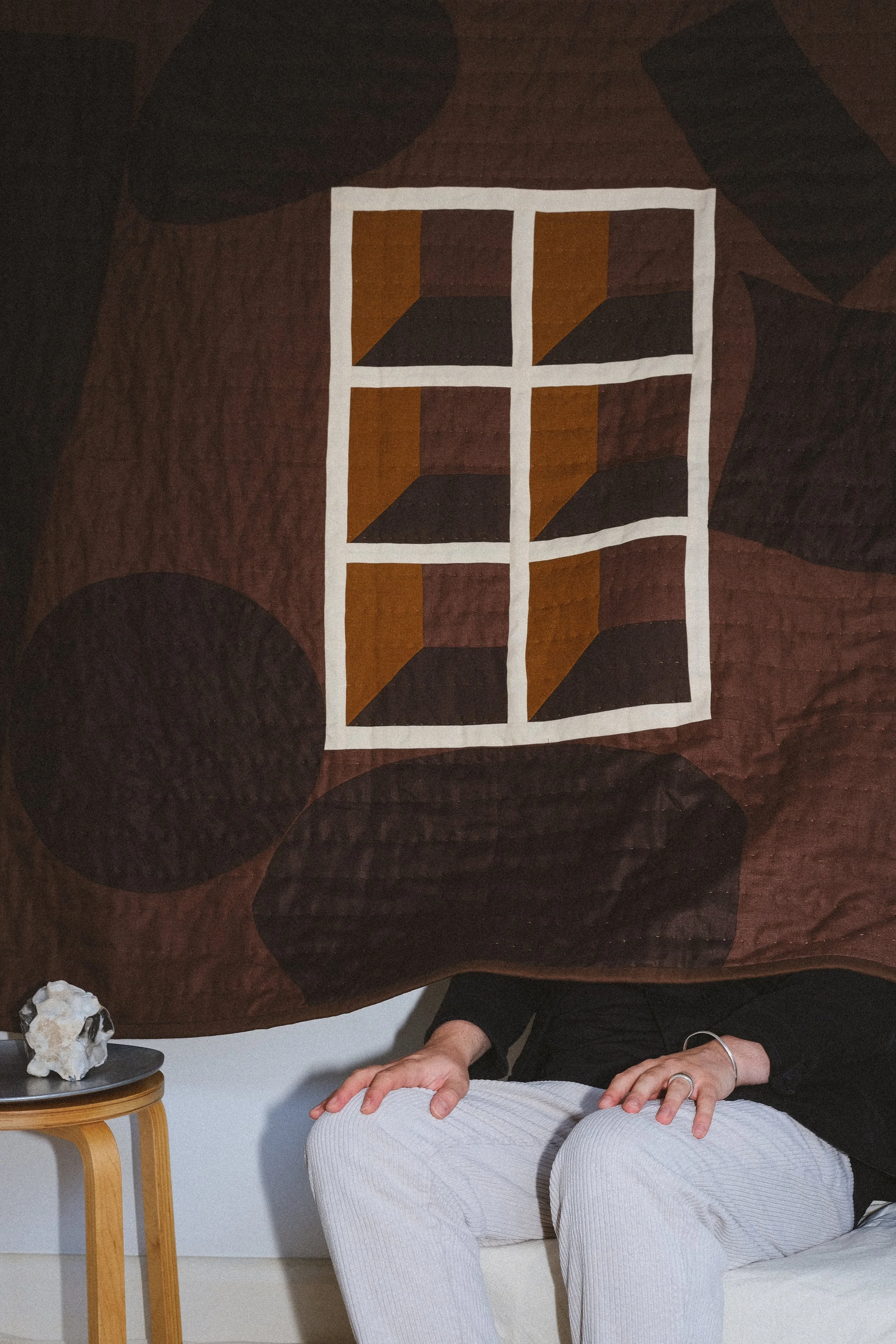
An Assembly Collection
I wasn’t sure whether the work was connecting with people anymore, or whether it had begun to feel flattened by repetition and expectation. Around the same time, I experienced situations where my words and ideas were taken up and used without acknowledgement, including having workshop copy I had written lifted and repurposed to advertise someone else’s workshop. When I raised concerns, I was told that I was “established”, with the implication that this meant I shouldn’t be worried about such things. That response was difficult to process. It suggested that once you reach a certain point, questions of authorship, care, or credit no longer matter. For me, they still do.
I also had to deal with someone attempting to trademark my business name (trade mark your business name, honestly, do it early), which was unsettling and exhausting to navigate. Experiences like these, alongside other pressures, caused me to question not just what I was making, but how I was making it, and who the work was really serving. What had begun as something deeply personal started to feel unfamiliar. At times, it felt as though the thing I had built to protect and sustain me was slowly being taken apart.
By the time I reached that point, it was clear that continuing in the same way wasn’t possible. Rather than pushing on, I chose to stop and take stock. This wasn’t about stepping away from the work, but about creating enough space to see it clearly. I needed to understand what was actually sustaining the practice, and what was quietly draining it.
Rather than pushing on, I chose to stop and take stock.
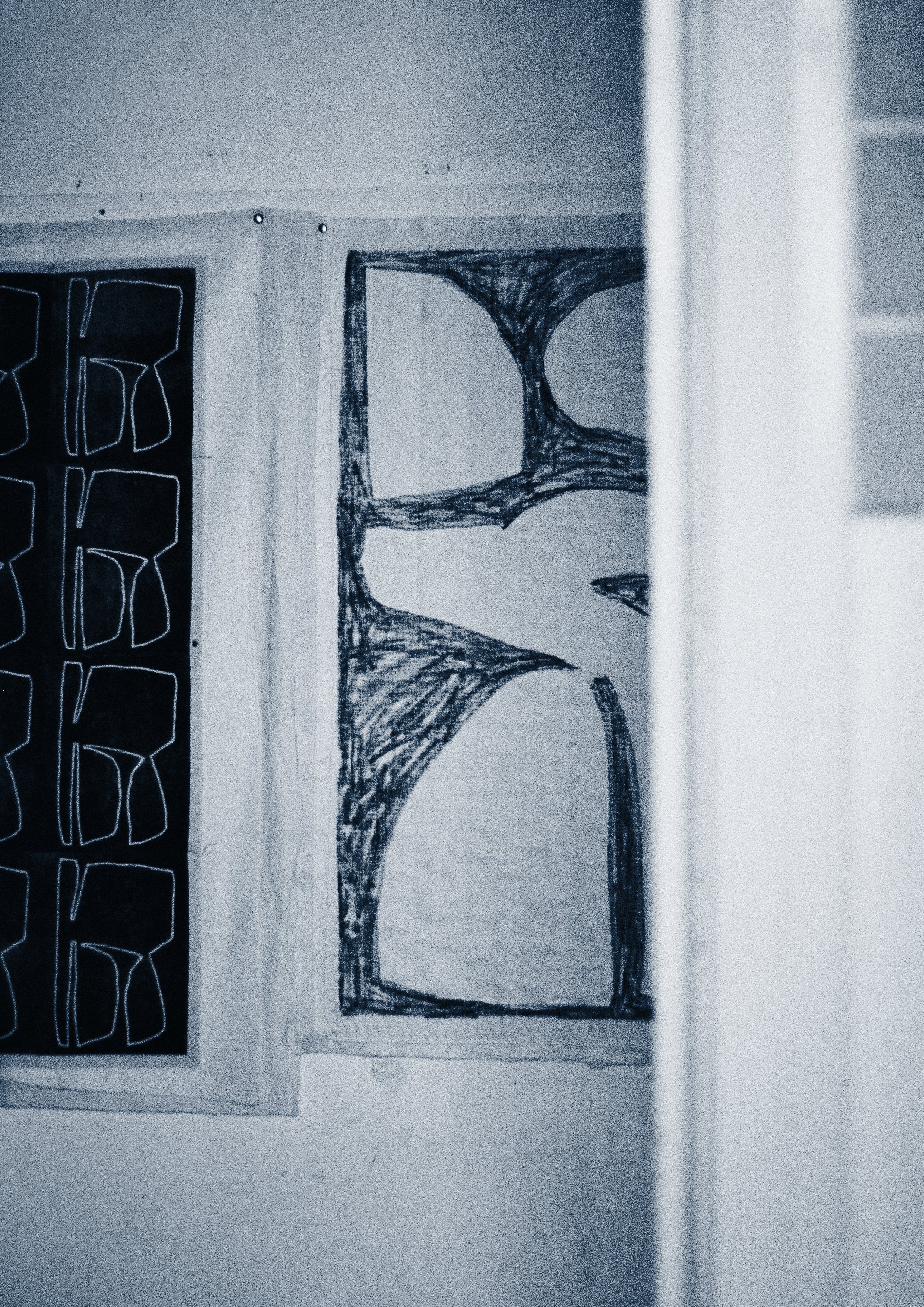
Formations Collection
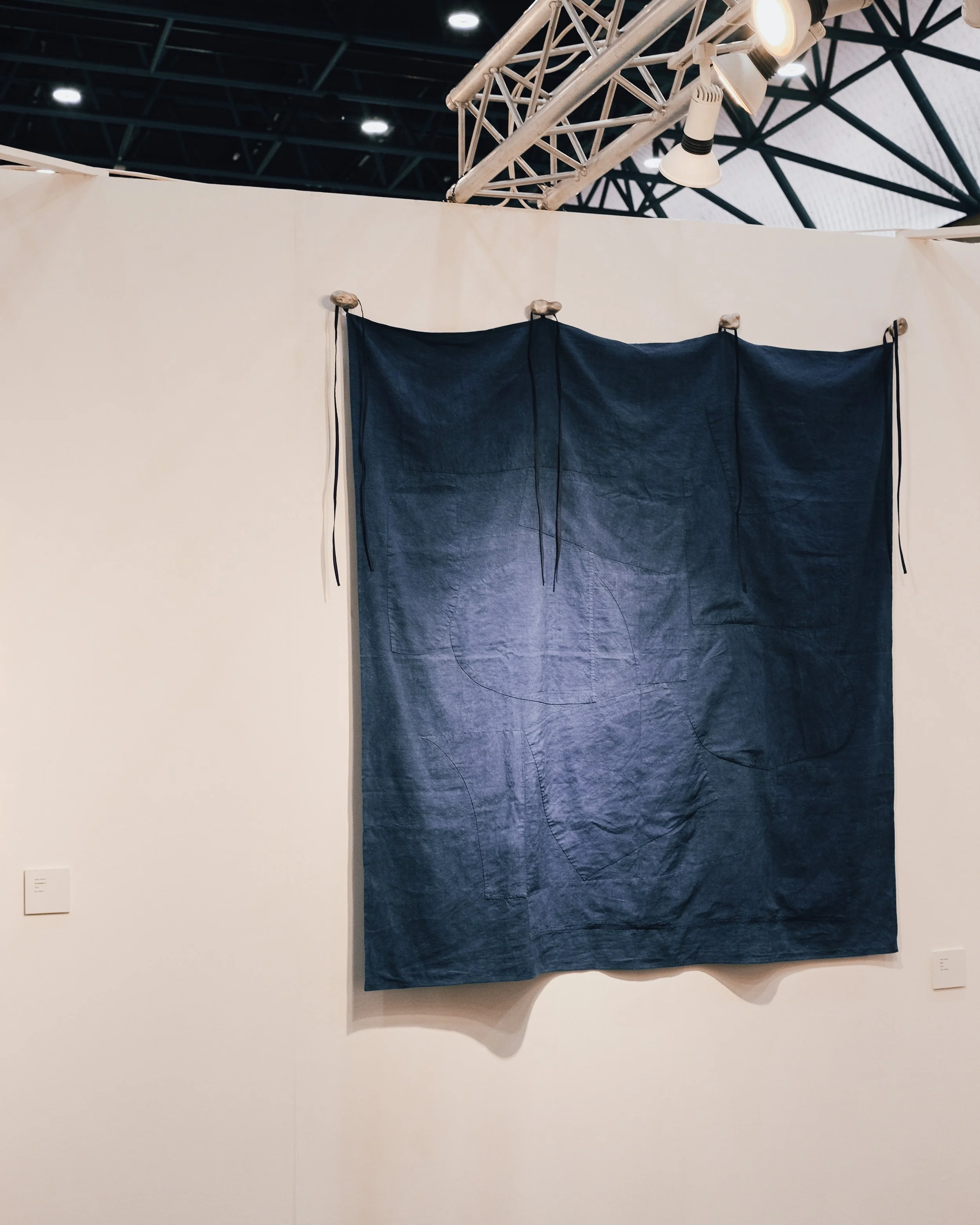
Formations Collection Exhibition at Alexandra Palace
Refocus, permission, and authorship
The pause gave me enough distance to see the practice more clearly. What became obvious was that House of Quinn didn’t need more output or reinvention. It needed firmer edges.
I spent time setting clearer principles for how I want to work and what I want to make. (which you can read more about here). This meant being more deliberate about what I say yes to, and equally clear about what I no longer take on. I began paying closer attention to how projects fit into the wider shape of the practice, rather than treating everything as equal or urgent.
Textiles remain at the centre of my work, but I gave myself permission to work more expansively across materials and formats. This wasn’t about chasing novelty. It was about returning to ideas that had been present from the beginning but had been pushed aside in order to keep things running. Allowing the work to take different forms has made the practice feel more open again, without losing its core.
Part of this refocus was also about authorship and protection. I came to understand that being generous doesn’t have to mean being endlessly available, and that clarity is not the same as closing doors. Protecting my work and my energy doesn’t mean withdrawing from connection. It’s been about learning when to share, and when to let things remain held within the practice.
These shifts weren’t dramatic, but they were significant. They changed how the work is made, how it moves out into the world, and how I relate to it day to day. More importantly, they made continuing feel possible again.
At the Centre
Throughout all of these shifts, textiles have remained the constant. They hold time, labour, and memory in a way that continues to feel essential to how I think and work. Even as the practice has expanded across materials and formats, textiles remain the anchor I return to, both materially and conceptually.
Alongside this, I’ve returned more deliberately to making work for space. Working at a larger scale and in response to interiors and lived environments has shifted how the work operates. It asks for slowness, consideration, and placement, rather than repetition. Making work that belongs to a specific space has helped reassert the value of context, intention, and presence.
As the practice clarified, I also needed to rethink how it was structured and communicated outwardly. I began organising the work more clearly into Gallery, Inventory, and Make — not as categories to contain it, but as a way of giving each part of the practice the space it needs.
Gallery became a place for the work itself: textile works, artworks, and larger, more concept-driven pieces.
Inventory holds objects — both those I design and those I source — things that connect the work to lived spaces and the everyday.
Make is where teaching, workshops, and shared processes sit: an invitation to engage when I’m able to offer that part of the practice.
This structure helped me protect the time and energy needed to make the work, while still allowing space for connection, learning, and exchange.
I’ve also spent time reconsidering how and when I teach. I realised that while teaching has always been an important part of my practice, it needed to sit alongside making, rather than replacing it. I began focusing on longer, more considered teaching sessions with smaller groups, where time, attention, and depth could be prioritised.
Alongside this, I experimented with shorter online workshops — focused sessions that allowed people to work from their own spaces, connect across distance, and engage with specific techniques without pressure. These sessions supported the practice financially, but just as importantly, they reinforced a genuine sense of shared making. They were a reminder that people can come together creatively, even while working from their own spaces, and that connecting solitary makers to a wider community still matters deeply
Together, these shifts have helped me reconnect with what matters most in the practice: making work that carries meaning, resisting dilution, and allowing the work to exist with integrity rather than urgency.

Teaching quilting retreats at Merchant & Mills
What’s Next
After spending time reflecting on the past ten years, and especially on the last year, what feels most important now is how I continue. Not in terms of scale or output, but in terms of intention: how the work is made, where it sits, and what kind of life it needs to support.
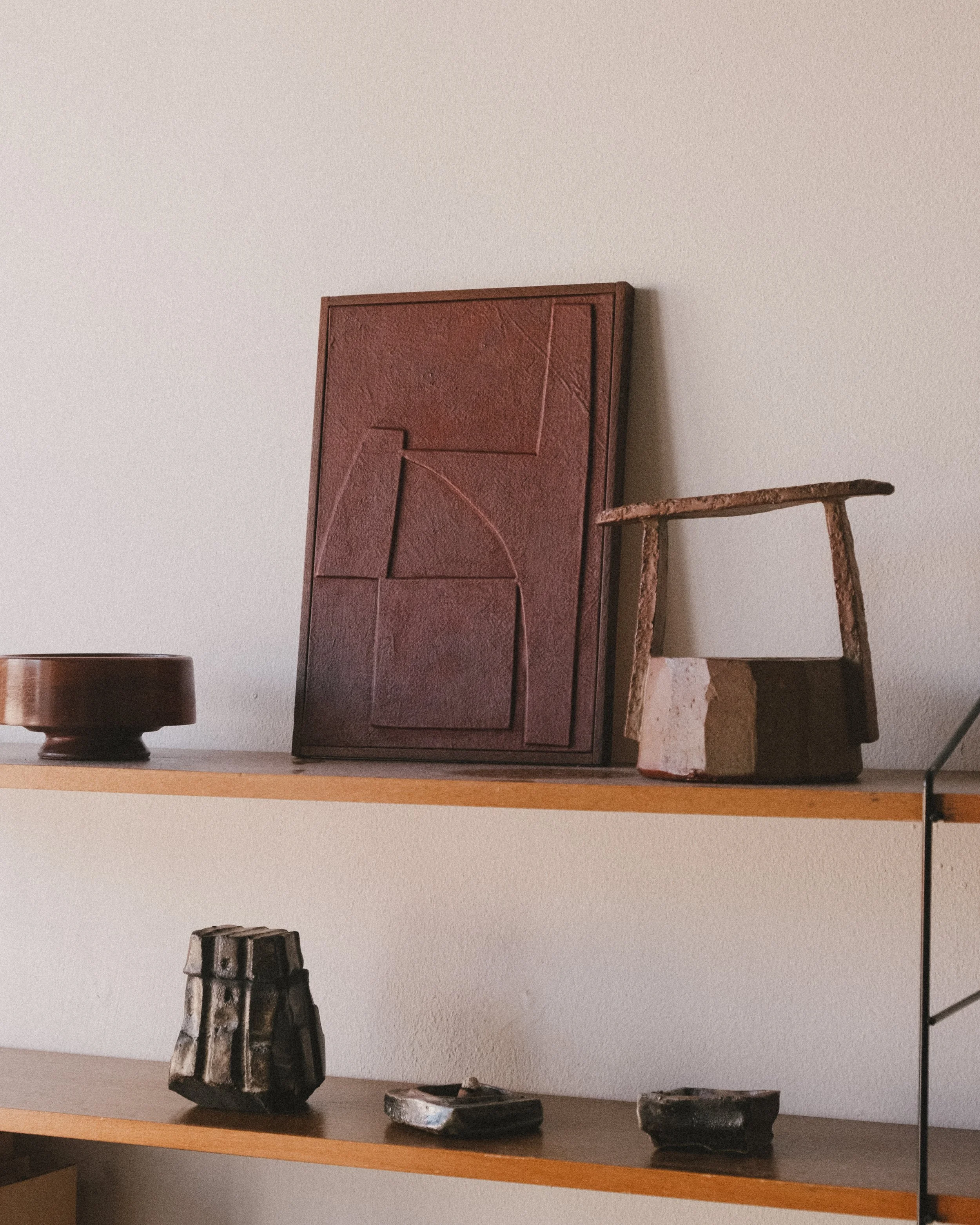
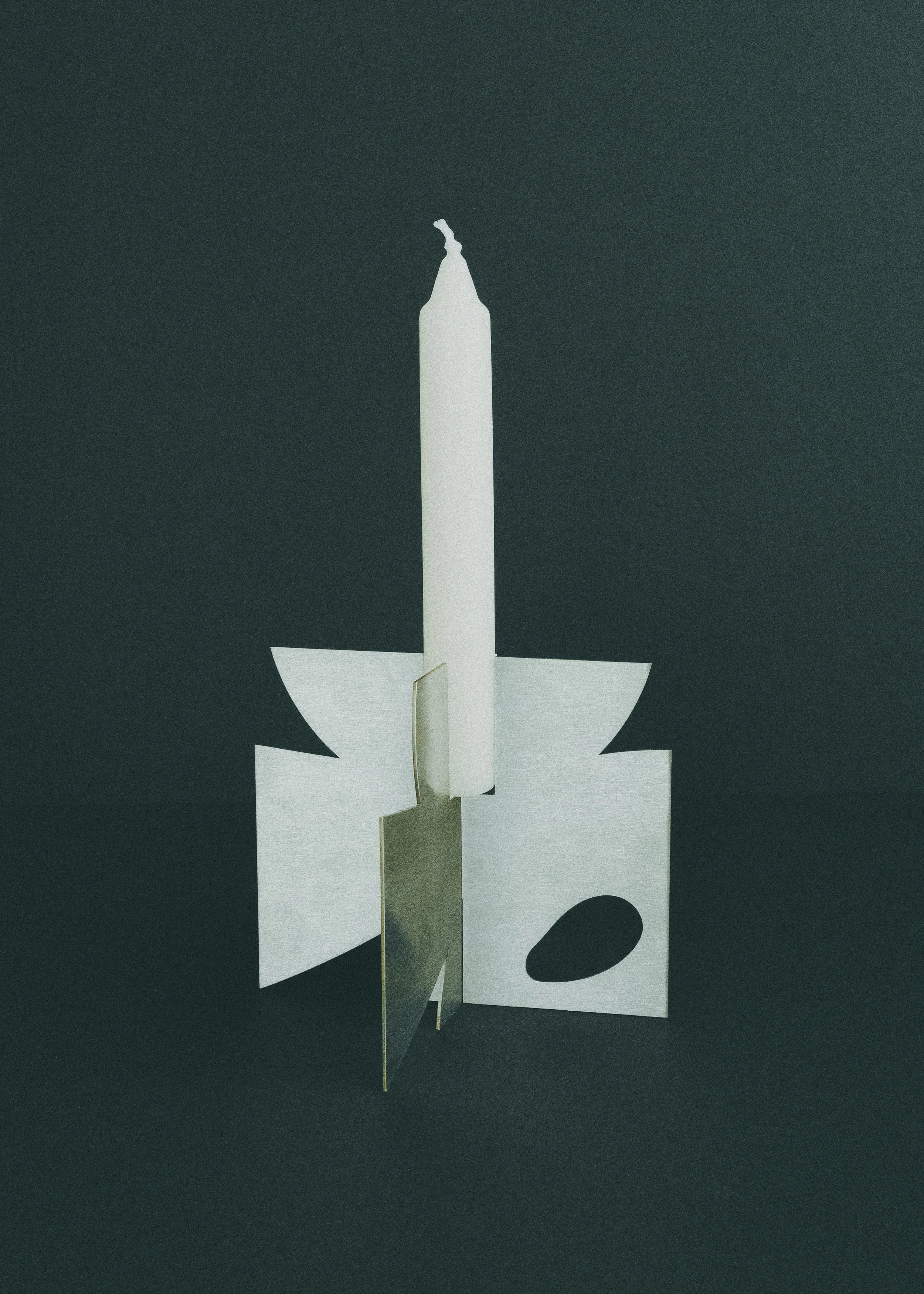
House of Quinn remains a place for experimentation, for collections built slowly, and for work that moves between textiles, form, and space. I’m continuing to develop larger works for interiors and lived environments through collaboration, alongside more personal, exploratory bodies of work that allow ideas to unfold without urgency.
What has shifted is my relationship to pace, protection, and permission. I’m more conscious of what I say yes to, more careful with what I share, and clearer about what needs to be held rather than explained. That clarity hasn’t narrowed the practice. If anything, it has made it feel more sustainable.
Writing this has been a way of marking time, and of making sense of where the work sits now. Not to arrive at fixed answers or set intentions for the year ahead, but to acknowledge change, and to recognise that staying with a practice for this long requires periodic recalibration. Reflection, for me, isn’t a pause from the work — it’s part of how the work continues to evolve.
Moving forward, I want to give more time and space to making. To developing work that can live in rooms, buildings, and environments where material, scale, and placement matter. I’m interested in working more closely with interior designers and collaborators, and in creating pieces that respond to specific spaces rather than repeating themselves.
I’m also allowing myself to work more openly across disciplines — letting textiles sit alongside other materials and processes without needing to justify that shift. Experimentation and play feel essential again, not as detours, but as ways of keeping the work alive and responsive.
Practical questions remain, as they always do. Finding the right space to work from. Building a practice that can support itself over time. These things are unresolved, but they’re no longer reasons to stop. They’re part of the conditions the work exists within.
What feels clear is that House of Quinn continues as an art practice first — one that moves slowly, pays attention, and makes room for change. This isn’t a conclusion. It’s a way of staying with the work, and seeing what it asks for next.
Thank you for reading and supporting this journey over the years. I really appreciate it.
If you would like to see more work and projects from the last ten years you can head over to the Archive section of the website to see more.
You can also read more updates about my work / practice and thoughts here:
House of Quinn: An Update - read more